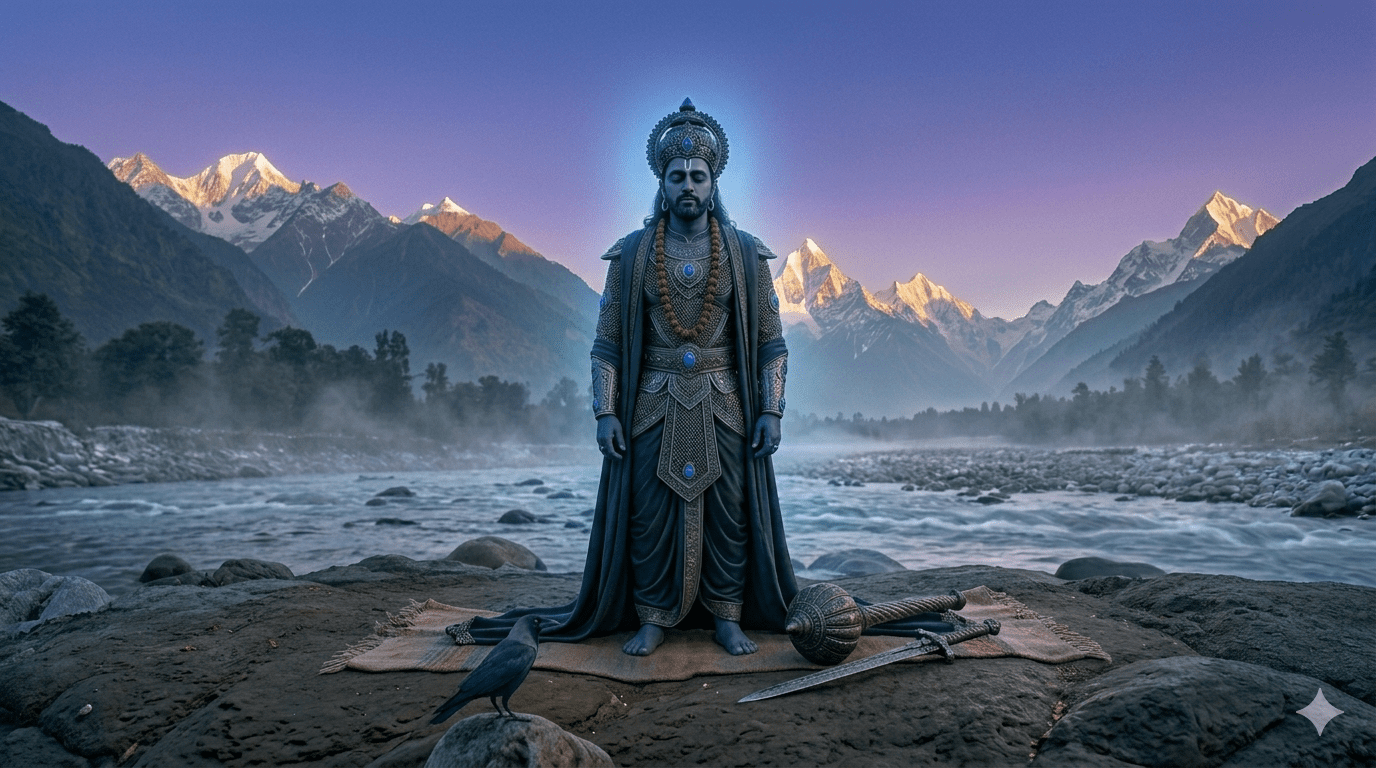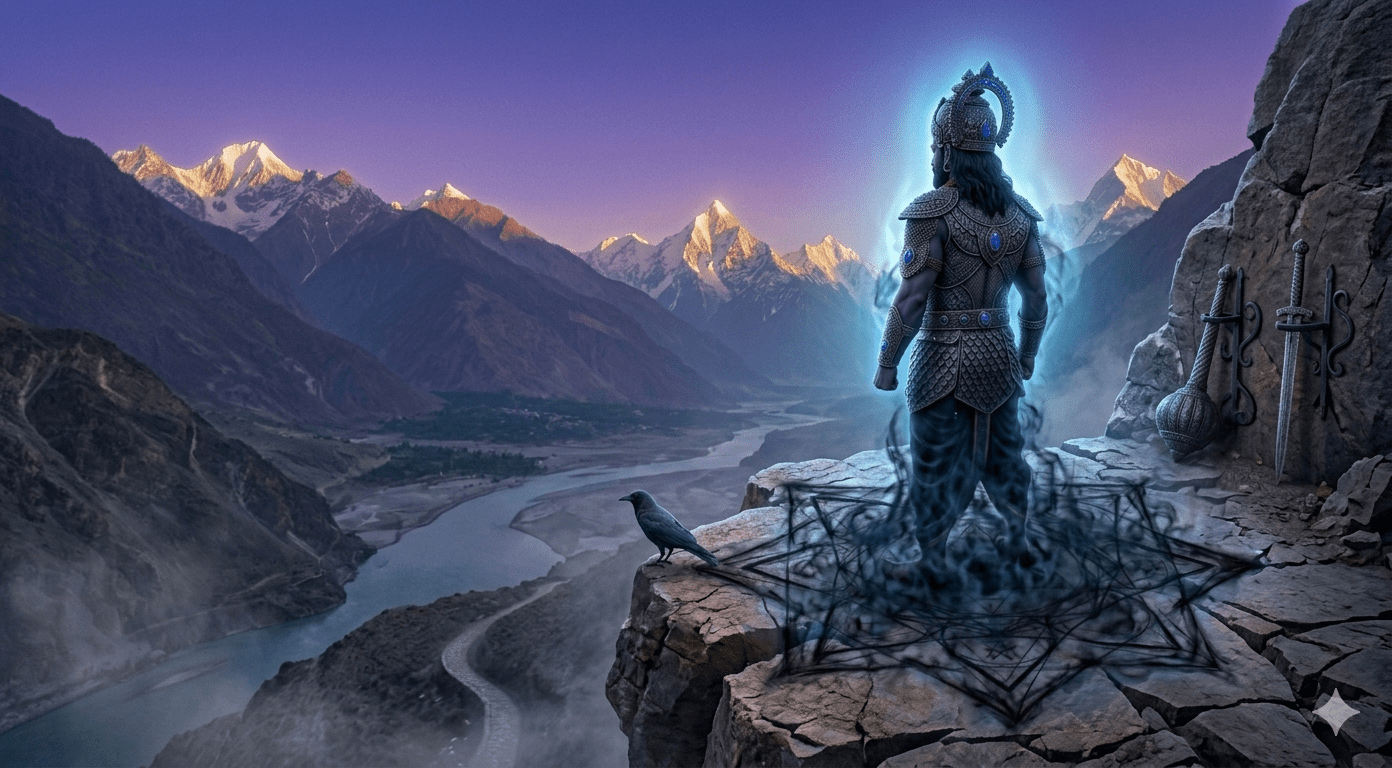
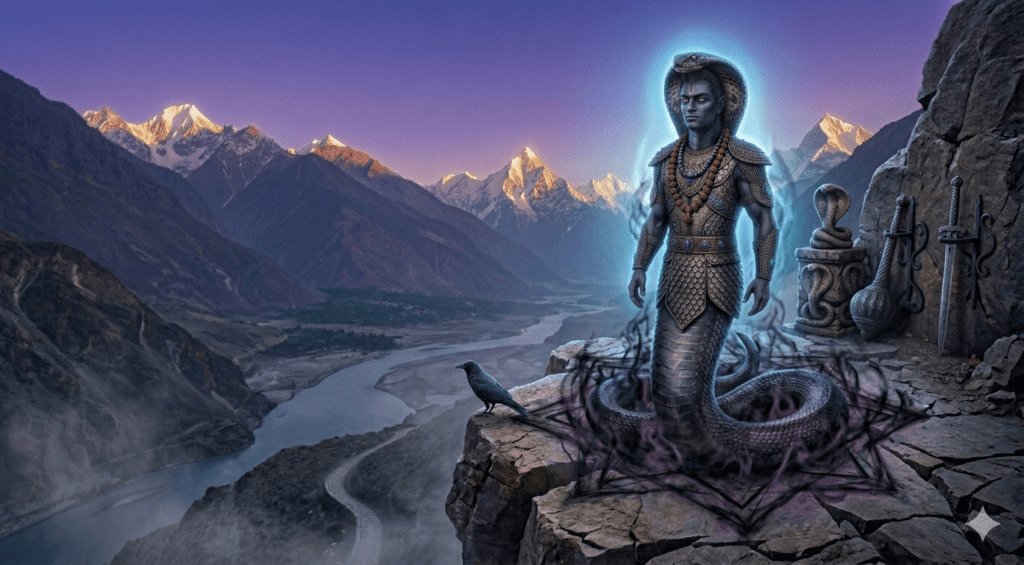
In the celestial hierarchy of Vedic astrology, Ketu Dev is perhaps the most mysterious and misunderstood entity. While Rahu is the head of the demon that chases material desires, Ketu is the headless body that seeks something much deeper. He is widely known as the “Moksha Karaka”—the significator of spiritual liberation. But why is a shadow planet associated with the ultimate goal of human life? To understand this, we must look at what Ketu represents and how he prepares the soul for freedom.
The Headless Wanderer
Ketu is depicted as a body without a head. In astrology, the head (Rahu) represents the ego, the senses, and the thinking mind that wants to consume the world. Because Ketu has no head, he cannot see, hear, or taste the material world. He is completely detached from the physical senses. This detachment is the first requirement for Moksha. To be liberated, one must first lose interest in the temporary pleasures of the earth. Ketu forces us to look inward because there is nothing for him to “see” outward.
The Power of Detachment
Ketu is the planet of isolation and introversion. When Ketu is active in a person’s life, they often feel a sense of “aloneness” even in a crowd. This isn’t necessarily sadness; it is a pulling away from worldly attachments. Ketu’s job is to show us that everything we hold onto—money, status, and even relationships—is ultimately temporary. By creating a sense of dispassion (Vairagya), Ketu clears the path for the soul to focus entirely on the Divine. He acts like a surgeon, cutting away the ties that bind us to the cycle of birth and death.
Mastery of Past Life Karma
Ketu is also the storehouse of our past life talents and experiences. He represents what we have already mastered in previous incarnations. Because we have “been there and done that,” Ketu makes us feel bored with those same things in this life. This boredom is actually a gift. It prevents the soul from wasting time on old lessons and pushes it toward the final exit point—Moksha. Ketu is the bridge between our past and the final liberation, ensuring that we carry only the spiritual essence forward.
The Sudden “Aha” Moment
Ketu is known for providing sudden insights and deep intuition. He governs the subconscious mind. While Rahu creates confusion through too many choices, Ketu provides clarity through silence. He is the planet of the monk, the hermit, and the yogi. His influence often leads people toward meditation, pilgrimage, and deep self-inquiry. In many cases, a difficult Ketu period ends with a spiritual breakthrough where the person finally understands the true nature of reality.
Symbolism of the Flag
Ketu’s symbol is often a flag (Dhvaja). In ancient times, a flag atop a temple signified victory and the presence of the Divine. Ketu represents the victory of the soul over the ego. He is also associated with the “tail” of the serpent, which represents the ending of a cycle. Just as the tail follows the head, Ketu follows the desires of Rahu to bring them to a final conclusion. Without Ketu’s ending, the soul would be trapped in the endless loop of Rahu’s beginnings.
Conclusion
Ketu Dev is associated with Moksha because he is the only energy that truly wants nothing from the material world. He is the ultimate teacher of surrender. By stripping away our illusions and forcing us into the depths of our own spirit, he prepares us for the moment when the soul merges back into the cosmic light. To fear Ketu is to fear the end of suffering. For the true seeker, Ketu is not a bringer of misfortune, but the compassionate guide who holds the keys to the prison door of the material world. He is the quiet voice that reminds us that we are not the body, but the eternal spirit seeking its way home.